
Baker Cysts: A Common Cause of Swelling Behind the Knee
Newsletter
Get recovery tips in your inbox
Practical guidance from Pain Management & MRI — no spam, just useful updates.
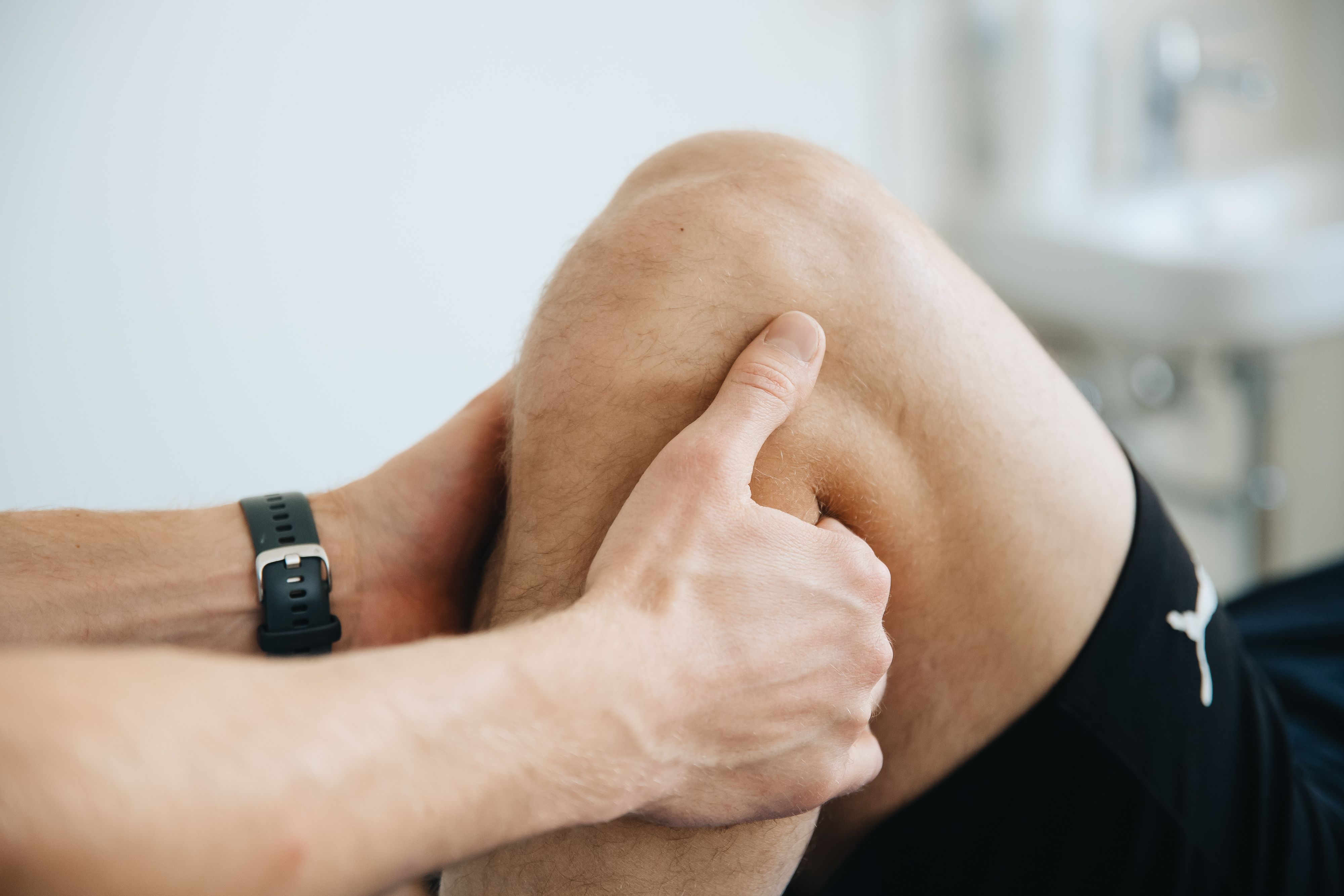
Swelling or tightness behind the knee can make walking, bending, or standing uncomfortable. One common cause of these symptoms is a Baker cyst, also known as a popliteal cyst. Although the cyst itself is not usually dangerous, it often signals an underlying knee condition that should be evaluated.
Recognizing the symptoms early can help patients receive appropriate treatment and improve overall knee function.
What is a Baker Cyst?
A Baker cyst is a fluid-filled sac that develops behind the knee. It forms when excess synovial fluid—the fluid that lubricates the knee joint—collects in the back of the knee.
Normally, synovial fluid allows the knee to move smoothly. However, when the knee becomes irritated or injured, it may produce more fluid than usual. This excess fluid can collect and form a cyst, leading to swelling and discomfort.
Common Symptoms
Some Baker cysts cause no symptoms and are discovered incidentally. When symptoms do occur, they may include:
- Swelling or a noticeable lump behind the knee
- Knee pain or aching
- A feeling of tightness behind the knee
- Stiffness that limits bending or straightening the knee
- Increased discomfort after prolonged standing or physical activity
Symptoms often fluctuate depending on activity level and the amount of fluid present.
What Causes a Baker Cyst?
A Baker cyst is usually the result of another knee problem that causes excess joint fluid production.
Common underlying causes include:
- Osteoarthritis
- Rheumatoid arthritis
- Meniscus (cartilage) tears
- Other knee injuries that cause joint inflammation
Treating the underlying condition often leads to improvement in the cyst itself.
Diagnosis
Diagnosis typically begins with:
- A review of symptoms and medical history
- Physical examination of the knee
- Assessment of swelling and range of motion
If needed, imaging studies such as ultrasound or MRI may be recommended to confirm the diagnosis and evaluate for other knee conditions.
Treatment Options
Conservative Care
Many Baker cysts improve with treatment aimed at the underlying knee condition. Conservative treatment may include:
- Activity modification
- Ice therapy
- Anti-inflammatory medications
- Physical therapy to improve strength and flexibility
Reducing inflammation within the knee often helps decrease fluid buildup and relieve symptoms.
Additional Treatment Options
If symptoms persist, additional treatment may include:
- Aspiration (draining the fluid)
- Corticosteroid injections to reduce inflammation
- Treatment of the underlying arthritis or cartilage injury
In rare cases, surgery may be considered if the cyst continues to cause significant symptoms despite other treatments.
Possible Complications
Although uncommon, a Baker cyst can rupture, allowing fluid to leak into the calf. This may cause:
- Sudden sharp pain behind the knee
- Swelling in the calf
- Redness or discoloration of the lower leg
- A sensation of fluid running down the calf
Because these symptoms can resemble a blood clot, prompt medical evaluation is important.
When to Seek Medical Evaluation
Patients should seek medical attention if they experience:
- Persistent swelling behind the knee
- Pain that limits walking or daily activities
- Increasing stiffness
- Sudden swelling or pain in the calf
- Redness or discoloration of the lower leg
Early evaluation can help identify the underlying cause and guide appropriate treatment.
This article is for educational purposes only and should not replace professional medical advice.