
Shin Splints: When Lower Leg Pain Is a Sign to Slow Down
Newsletter
Get recovery tips in your inbox
Practical guidance from Pain Management & MRI — no spam, just useful updates.
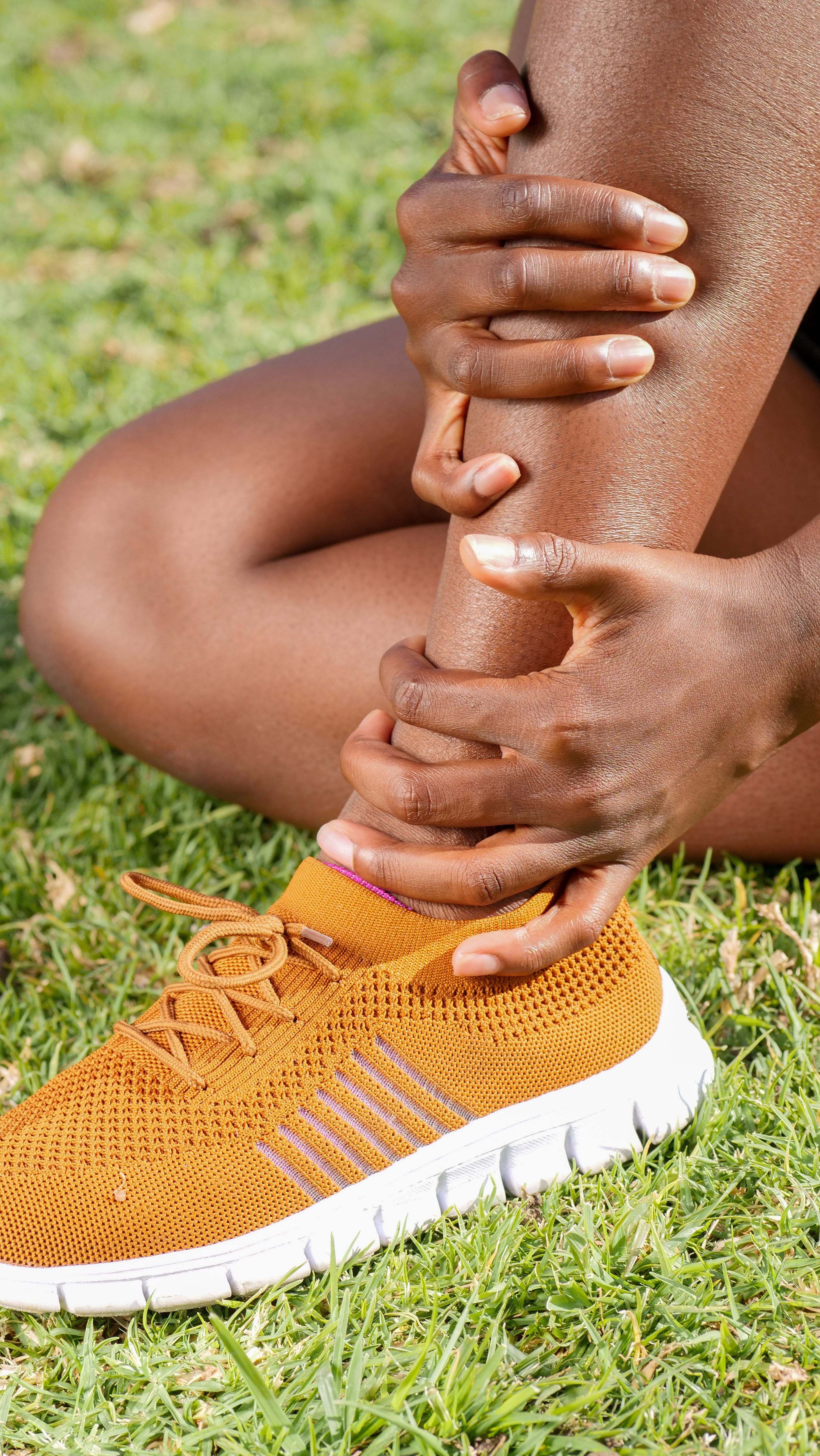
A new walking program, longer runs, intense workouts, or even a sudden increase in everyday activity can sometimes lead to an unwelcome problem: pain along the shin.
Commonly known as shin splints, this type of lower-leg pain often develops when the muscles, tendons, and bone around the shin are repeatedly stressed. Although shin splints frequently improve with rest and changes in activity, continuing to exercise through the pain can make symptoms worse and may increase the risk of a more serious injury.
Understanding the warning signs can help you know when to modify your activity and when persistent shin pain deserves further evaluation.
What Are Shin Splints?
“Shin splints” is a general term for exercise-related pain along the tibia, or shin bone. Healthcare providers may also refer to the condition as medial tibial stress syndrome.
The discomfort commonly develops along the inner portion of the shin and is associated with repetitive stress on the tissues of the lower leg.
Shin splints are especially common among people participating in activities that repeatedly load the legs, such as running, dancing, and intensive physical training.
Common Symptoms
Shin splints often begin as discomfort during or after exercise.
Symptoms may include:
- A dull or aching pain along the shin
- Tenderness when touching the affected area
- Pain that becomes worse during exercise
- Pain that improves with rest
- Mild swelling in the lower leg
In the early stages, pain may occur only during certain activities. If the condition progresses, discomfort may become more persistent.
What Causes Shin Splints?
Shin splints are often associated with doing too much, too quickly.
They may develop after suddenly increasing:
- Exercise intensity
- Running or walking distance
- Workout frequency
- Training duration
Running on hills, uneven terrain, or hard surfaces can also increase stress on the lower legs.
Footwear matters as well. Shoes that are worn out, fit poorly, or do not provide adequate support may contribute to the problem.
Who Is at Greater Risk?
Several factors may increase the likelihood of developing shin splints, including:
- Running or other high-impact exercise
- Exercising on hard, uneven, or inclined surfaces
- Wearing poorly fitting or unsupportive shoes
- Flat or inflexible feet
- Beginning a new exercise program too aggressively
- Not warming up before exercise
- Lower-leg or movement mechanics that increase stress on the shin
Certain factors affecting bone health may also contribute to risk.
Shin Splints or a Stress Fracture?
Not every case of shin pain is caused by shin splints.
A stress fracture is a small crack in a bone that can also develop from repetitive loading and overuse. Because the symptoms can overlap, persistent or worsening shin pain should not automatically be assumed to be shin splints.
Continuing strenuous activity without allowing the lower leg to recover may also increase stress on the bone.
If shin pain is not improving as expected, medical evaluation can help determine whether another condition, such as a stress fracture or tendon injury, may be responsible.
Treatment and Recovery
For many people, the first step is reducing the activity that triggered the symptoms and allowing the lower leg time to recover.
Conservative care may include:
- Temporarily resting from painful activities
- Using ice for discomfort
- Choosing lower-impact activities such as swimming or cycling
- Wearing supportive footwear
- Considering shoe inserts or orthotics when appropriate
- Using compression for swelling
- Gradually incorporating stretching and strengthening exercises
Over-the-counter anti-inflammatory medications may be appropriate for some patients, but they are not suitable for everyone and should be used according to the label or a healthcare professional’s instructions.
Returning to Activity
One of the most important parts of recovering from shin splints is not returning to full activity too quickly.
Before resuming more strenuous exercise, the affected leg should feel strong and flexible, and normal activities should no longer produce pain.
When returning to exercise:
- Begin gradually
- Warm up before activity
- Increase intensity and distance slowly
- Stretch after exercise
- Stop if shin pain returns
Recovery time varies. More significant cases may require considerably longer than a few weeks before the lower leg is ready for normal training.
Preventing Shin Splints
A gradual approach to exercise can help reduce repetitive stress on the lower legs.
Consider:
- Wearing properly fitting, supportive shoes
- Replacing worn athletic footwear
- Increasing activity gradually
- Alternating high-impact exercise with lower-impact activities
- Strengthening the legs, ankles, hips, and core
- Warming up before exercise
- Paying attention to your running or walking mechanics
- Giving your body adequate recovery time
Repeated shin pain may also be a reason to have footwear, training habits, or movement mechanics evaluated.
When to Seek Medical Evaluation
Consider further evaluation if:
- Shin pain continues despite reducing activity
- Pain becomes progressively worse
- Pain begins occurring even when you are not exercising
- Swelling becomes significant
- You have difficulty comfortably walking or exercising
- Symptoms repeatedly return when you resume activity
Persistent shin pain should not simply be pushed through. Evaluation can help distinguish shin splints from stress fractures and other causes of lower-leg pain.
This article is for educational purposes only and should not replace professional medical advice.