
Achilles Tendinitis: Understanding Pain at the Back of the Heel
Newsletter
Get recovery tips in your inbox
Practical guidance from Pain Management & MRI — no spam, just useful updates.
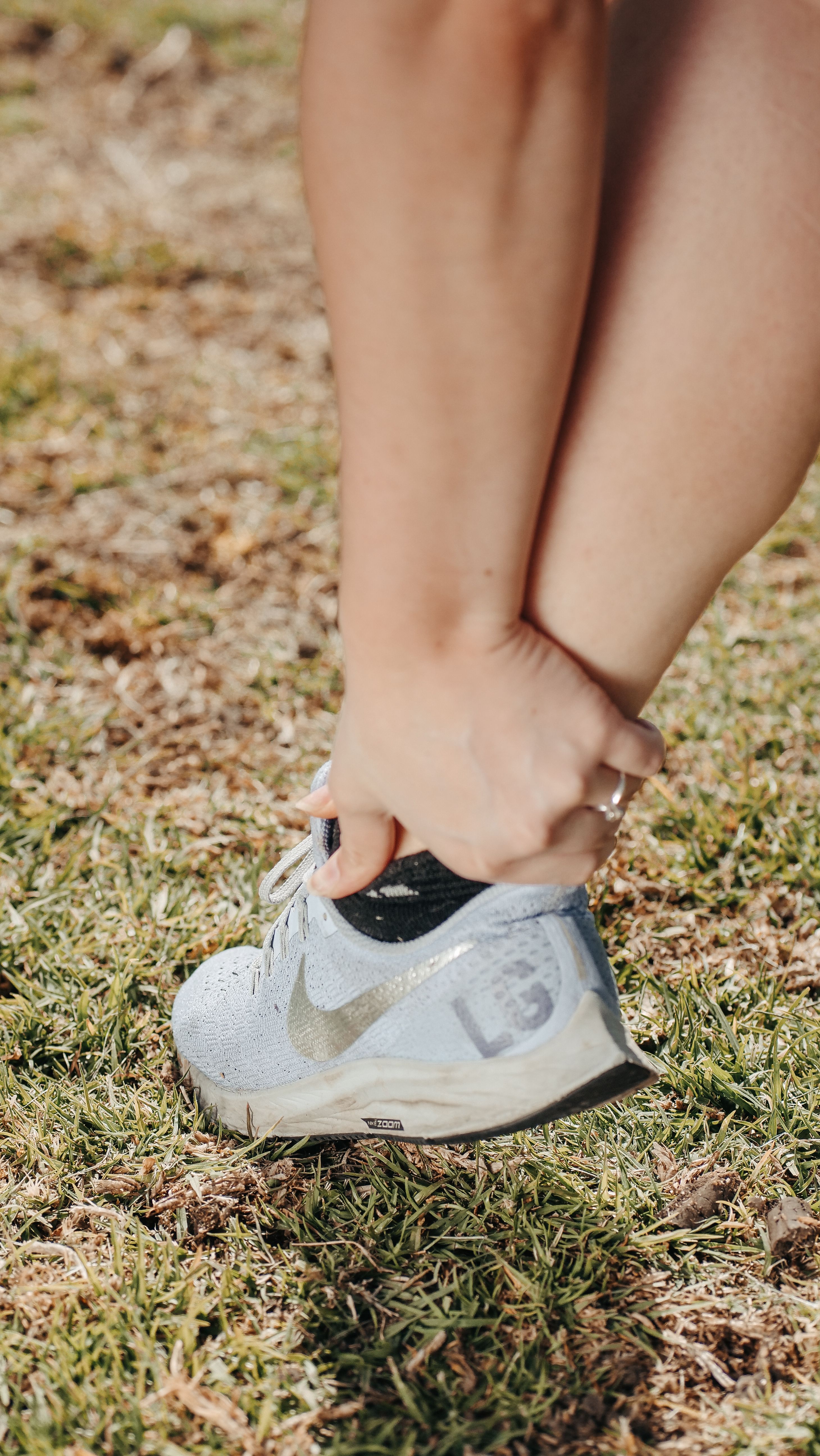
Pain at the back of the heel or lower leg can make everyday activities like walking, climbing stairs, and exercising uncomfortable. One possible cause is Achilles tendinitis, a condition that affects the strong tendon connecting the calf muscles to the heel.
Achilles tendinitis often develops when the tendon experiences more stress than it can comfortably tolerate. It is particularly common among runners who increase their training too quickly and adults who participate in occasional high-intensity sports.
Although most cases can be managed with conservative care, recognizing the symptoms and making appropriate changes to physical activity are important for preventing further injury.
What Is Achilles Tendinitis?
The Achilles tendon is a thick band of tissue that connects the calf muscles at the back of the lower leg to the heel bone.
It plays an essential role in movements such as:
- Walking
- Running
- Jumping
- Climbing stairs
- Standing on your toes
Achilles tendinitis occurs when the tendon becomes painful or irritated, often because of repeated or excessive stress.
The condition is also sometimes called Achilles tendinopathy, a broader term describing problems that affect the tendon.
Symptoms can develop in the middle portion of the tendon or near its attachment to the heel bone.
Common Symptoms
Achilles tendinitis often begins with mild discomfort that becomes more noticeable during or after physical activity.
Common symptoms include:
- Aching pain along the back of the lower leg or above the heel
- Tenderness around the Achilles tendon
- Stiffness, especially in the morning
- Pain after running or playing sports
- Increased discomfort when climbing stairs or sprinting
- Burning or aching pain following prolonged exercise
- Difficulty comfortably using the affected foot
Morning stiffness may improve with gentle movement, but symptoms can return or worsen after more demanding activity.
As the condition progresses, some individuals may experience pain even while resting.
What Causes Achilles Tendinitis?
Achilles tendinitis commonly develops from repeated or intense stress on the tendon, although sometimes there is no clearly identifiable cause.
Activities that place significant demands on the Achilles tendon include:
- Running
- Jumping
- Climbing stairs
- Walking uphill
- Sprinting
- Repeatedly standing on the toes
A sudden increase in exercise intensity, duration, or frequency can overload the tendon before it has time to adapt.
Age-related changes may also make the Achilles tendon more vulnerable to injury.
This is one reason the condition is frequently seen in middle-aged adults who participate in recreational sports primarily on weekends.
Who Is at Greater Risk?
Several factors may increase the likelihood of developing Achilles tendinitis.
Age and Physical Characteristics
Risk may increase with age or with certain physical characteristics, including:
- Tight calf muscles
- Flat feet or high arches
- Obesity
- Differences in leg length
These factors can affect how stress is distributed through the Achilles tendon.
Exercise and Training Habits
Certain training choices may also increase risk:
- Running in worn-out shoes
- Poor running technique
- Suddenly increasing running distance or speed
- Frequent hill running
- Exercising in colder conditions
- Returning to intense activity without gradually rebuilding conditioning
Medical Conditions and Medications
Other associated factors include:
- Previous Achilles tendinitis
- Psoriasis
- High cholesterol
- High blood pressure
- Use of certain antibiotics called fluoroquinolones
These factors do not necessarily mean someone will develop Achilles tendinitis, but they may increase susceptibility.
Why Achilles Tendinitis Shouldn’t Be Ignored
Achilles tendinitis can cause more than temporary discomfort.
Repeated stress and ongoing tendon problems may contribute to weakening of the Achilles tendon.
In more serious cases, the tendon can tear or rupture.
An Achilles tendon rupture is a significant injury that may require surgical repair.
Recognizing persistent symptoms and reducing activities that aggravate the tendon can help prevent further injury.
Treatment and Recovery
Most cases of Achilles tendinitis can be managed with conservative care guided by a healthcare professional.
The goal is to reduce excessive stress on the tendon while supporting recovery and a safe return to activity.
Activity Modification
Reducing or temporarily avoiding activities that aggravate symptoms is often an important first step.
This may include limiting:
- Running
- Jumping
- Sprinting
- Hill workouts
- Other high-impact exercise
Low-impact activities such as swimming or cycling may be appropriate alternatives for maintaining fitness while reducing stress on the tendon.
Footwear and Support
Supportive athletic shoes can help manage the forces placed on the Achilles tendon.
Shoes should provide appropriate heel cushioning and arch support.
Replacing worn-out footwear and considering arch supports when needed may also help reduce strain.
Stretching and Strengthening
Maintaining calf flexibility and strength can help the muscles and Achilles tendon better tolerate physical activity.
A healthcare professional can help determine which exercises are appropriate based on symptoms and recovery progress.
Stretching should be performed carefully, particularly when the tendon is painful.
Preventing Achilles Tendinitis
Although not every case can be prevented, several habits may help reduce the risk.
Increase Activity Gradually
Avoid sudden increases in workout duration or intensity.
Gradually building endurance allows the tendon to adapt to increasing physical demands.
Warm Up Before Exercise
Begin with lower-intensity movement before progressing to more demanding activities.
Choose Supportive Footwear
Wear shoes appropriate for your activity and replace them when they become worn.
Strengthen the Calf Muscles
Strong calf muscles help the lower leg manage the forces associated with walking, running, and jumping.
Maintain Flexibility
Regular stretching may help maintain flexibility, provided the movements do not aggravate an existing injury.
Cross-Train
Alternate higher-impact exercise with lower-impact activities such as cycling or swimming.
This can help maintain fitness while reducing repeated stress on the Achilles tendon.
When to Seek Medical Evaluation
Consider speaking with a healthcare professional if you experience:
- Persistent pain above the heel
- Achilles tendon tenderness that does not improve
- Recurrent morning stiffness
- Pain that worsens during exercise
- Difficulty walking or climbing stairs comfortably
- Symptoms that continue despite reducing activity
- Pain that begins interfering with everyday movement
Seek immediate medical attention if you experience sudden, severe pain near the Achilles tendon or suddenly cannot move or use your foot normally. These symptoms may indicate a tendon rupture.
Early evaluation can help determine the cause of symptoms and identify an appropriate recovery plan.
Returning to Activity Safely
Recovery from Achilles tendinitis requires balancing physical activity with adequate rest and gradual conditioning.
Returning to intense exercise too quickly may place additional stress on a tendon that has not fully recovered.
Gradually increasing activity, maintaining calf strength, wearing supportive footwear, and responding to recurring pain can help support long-term tendon health.
The goal is not simply to relieve heel pain, but to help the Achilles tendon tolerate everyday movement and exercise more comfortably.
This article is for educational purposes only and should not replace professional medical advice.