
Patellar & Quadriceps Tendinitis: Understanding Knee Pain Above and Below the Kneecap
Newsletter
Get recovery tips in your inbox
Practical guidance from Pain Management & MRI — no spam, just useful updates.
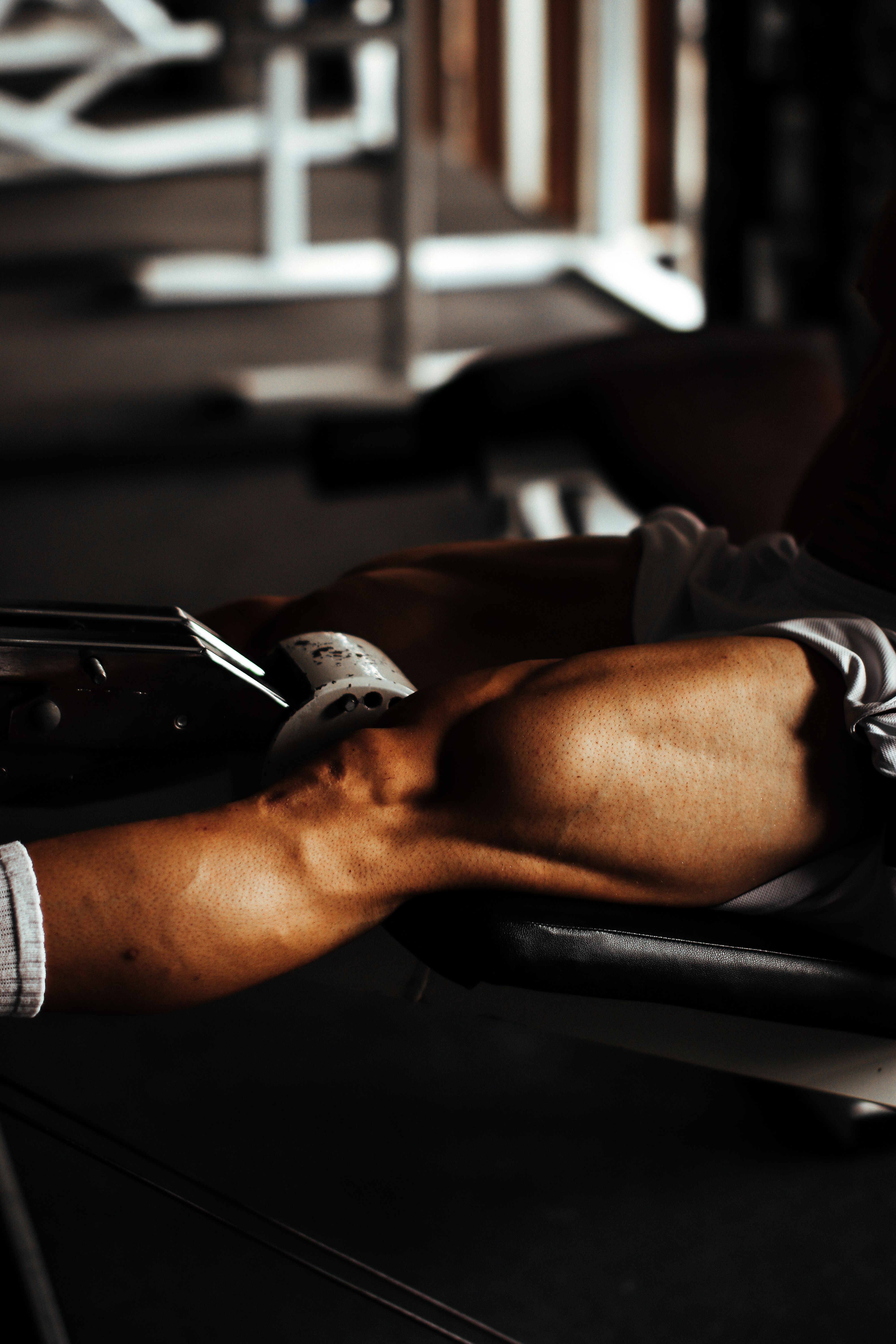
Knee pain doesn’t always come from arthritis, a ligament injury, or a problem inside the joint. Sometimes, the source of discomfort is one of the tendons responsible for helping the knee move.
Two important tendons—the patellar tendon and the quadriceps tendon—work together with the thigh muscles to straighten the knee. These structures play an essential role in everyday activities such as walking, climbing stairs, squatting, running, and jumping.
When these tendons experience repeated stress, they can develop a condition known as tendinopathy, which may cause pain, stiffness, swelling, and difficulty staying active.
Although these injuries are commonly associated with athletes, they can affect anyone who places repeated stress on the knee, especially after a sudden increase in physical activity.
Understanding the Patellar and Quadriceps Tendons
The knee relies on several muscles and tendons to support movement and stability.
Two important structures include:
- Quadriceps tendon: Located above the kneecap, connecting the quadriceps muscles in the front of the thigh to the patella.
- Patellar tendon: Located below the kneecap, connecting the patella to the shinbone, or tibia.
Together, these tendons help transfer force from the thigh muscles to straighten the knee.
Because they are involved in so many movements, repeated loading can place significant stress on these structures.
What Causes Patellar and Quadriceps Tendinitis?
Patellar and quadriceps tendinopathy are typically associated with repetitive overuse.
When a tendon experiences repeated stress, tiny areas of damage can develop within its fibers. Normally, the body repairs this damage as part of its natural recovery process.
However, when repeated stress exceeds the tendon’s ability to recover, the tissue may become thickened and develop small tears, leading to pain and reduced function.
Common contributing activities include:
- Running
- Jumping
- Squatting
- Climbing stairs
- Repetitive athletic training
- Suddenly increasing exercise intensity or frequency
Patellar tendinopathy is especially common in sports involving frequent jumping, including basketball and volleyball. This is why it is often referred to as “jumper’s knee.”
Other activities, including gymnastics, tennis, and track and field, may also contribute to these injuries.
Common Symptoms
Symptoms of patellar and quadriceps tendinopathy can be similar, but the location of pain often helps distinguish the two conditions.
Patellar Tendinopathy
Pain typically develops below the kneecap, along the patellar tendon.
Quadriceps Tendinopathy
Pain generally occurs above the kneecap, where the quadriceps tendon connects to the patella.
Both conditions may cause:
- Pain at the front of the knee
- Discomfort during running or jumping
- Pain when climbing or descending stairs
- Difficulty squatting
- Stiffness in the morning
- Stiffness following physical activity
- Swelling or thickening around the affected tendon
- Discomfort after prolonged sitting
Symptoms may initially appear only during strenuous activity but can become more disruptive if the tendon continues to experience excessive stress.
Why Rest Alone May Not Be Enough
Reducing painful activities is often an important first step in managing tendon injuries.
However, simply avoiding exercise does not necessarily improve the tendon’s ability to tolerate stress in the future.
The goal of rehabilitation is to gradually rebuild the tendon’s strength and capacity to handle normal physical demands.
This is why physical therapy and progressive strengthening are important parts of treatment.
Treatment Options
Most patients with patellar or quadriceps tendinopathy improve with nonsurgical treatment.
Activity Modification
Initial treatment often involves reducing the frequency or intensity of activities that aggravate symptoms.
Patients may need to temporarily limit:
- Running
- Jumping
- Repetitive squatting
- Other activities that place significant stress on the knee tendons
Lower-impact activities such as swimming or cycling may help maintain cardiovascular fitness while reducing tendon loading.
Physical Therapy
Physical therapy is a key component of treatment.
Rehabilitation may include:
- Eccentric strengthening exercises
- Heavy, slow resistance training
- Gradual increases in tendon loading
- Stretching tight thigh muscles
- Improving running mechanics
- Improving jumping and landing technique
These exercises are designed to help the tendon become stronger and better tolerate the forces associated with everyday movement and sports.
What If Symptoms Continue?
Although conservative treatment is successful for many patients, some individuals continue to experience pain despite activity modification and physical therapy.
Additional treatments may be considered in selected cases.
Extracorporeal Shock Wave Therapy
This treatment uses sound waves directed toward the affected tendon and may be considered to encourage a healing response.
Platelet-Rich Plasma (PRP) Injections
PRP involves injecting a preparation derived from the patient’s own blood into an area of tendon damage.
The goal is to support the body’s natural healing processes, although treatment response can vary.
Percutaneous Ultrasonic Tendon Debridement
This minimally invasive procedure uses ultrasonic energy to break down and remove damaged tendon tissue.
Surgery
Open or arthroscopic surgery may be considered when persistent pain and dysfunction continue despite appropriate nonsurgical treatment.
These additional treatments are not necessary for most patients and should be considered based on individual symptoms and response to rehabilitation.
Preventing Recurrent Knee Tendon Pain
- Gradually increasing exercise intensity
- Avoiding sudden changes in training volume
- Strengthening the quadriceps and surrounding muscles
- Maintaining flexibility in the thigh muscles
- Improving jumping and landing mechanics
- Using appropriate running technique
- Allowing adequate recovery between demanding workouts
- Reducing activities that repeatedly trigger tendon pain
A balanced strengthening and conditioning program may help the tendons better tolerate physical activity over time.
When to Seek Medical Evaluation
Consider medical evaluation if you experience:
- Persistent pain above or below the kneecap
- Knee pain that worsens with running or jumping
- Difficulty climbing stairs or squatting
- Recurrent stiffness after activity
- Swelling or thickening around the tendon
- Pain that limits exercise or everyday movement
- Symptoms that continue despite reducing activity
A healthcare professional can help determine whether symptoms are related to patellar or quadriceps tendinopathy and recommend an appropriate treatment plan.
Returning to Activity Safely
Recovery from tendon overuse injuries often requires more than temporary rest.
A gradual strengthening program can help restore tendon function and improve tolerance for activities such as walking, running, jumping, and climbing stairs.
Returning to demanding exercise too quickly may cause symptoms to return, particularly if the tendon has not regained adequate strength.
The goal is not simply to reduce pain, but to help the tendon become strong enough to tolerate everyday movement and physical activity again.
This article is for educational purposes only and should not replace professional medical advice.